
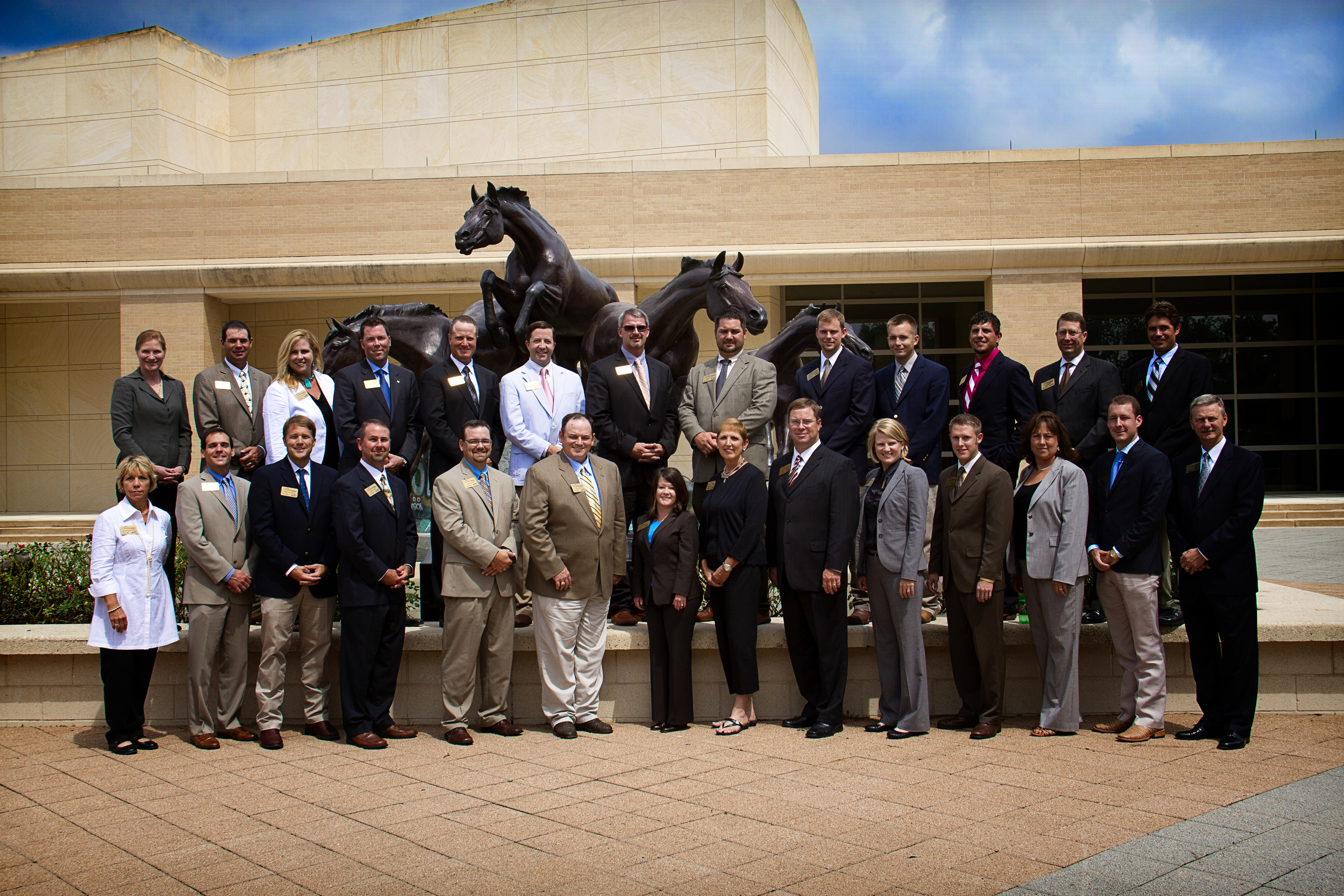
 Recently I was selected for the TALL Program – Texas Agriculture Lifetime Leadership. The course is led by an amazing man – Dr. Jim Mazurkiewicz. The two year program, led by the Texas AgriLife Extension Service, is an intensie study of agriculture worldwide. It is designed to equip us to become leaders in our fields of agriculture. The course focuses on international communications, ecology, government, policy, economics, social issues and education opportunities. During the next two years, we will visit all regions of the state as well as Washington, D.C., Maryland, New York, California, and Brazil. I have put the TALL logo on our blog – just tap the logo and learn more about this amazing program. I feel humbled and very honored to have been chosen.
Day 1 – Tuesday, July 10, 2012
Welcome and Orientation by Dr. Jim Mazurkiewicz
We were welcomed by Dr. Jim. Then he asked each one of us to introduce ourselves and give a brief statement about who we were. The room was filled with excitement and anticipation as we got the first glimpse of the people we would be spending the next two years with. Immediately I knew that I was in the company of many accomplished ag professionals who I expected could teach me many new concepts and philosophies. The thought of expanding my knowledge into other diversified areas was thrilling.
Dr. Jim then stepped forward to give us an overview of the program and his expectations of us over the next two years.
Mr. Todd Swick – “Texas Department of Criminal Justice Agriculture Today”
Being in the cattle business, it was interesting to hear that the first inmate was a cattle rustler and that the beginning philosophy was fear – force – leather. In 1948 things changed – the system could no longer be run like a family farm. Today, TDCJ is part of almost every ag endeavor. They raise cotton and still have their own textile mills. Their livestock production includes: cattle, swine, hogs, poultry, horses, and dogs. They also raise their own feed for their livestock.
TDCJ is required to return revenue to the State of Texas general revenue budget. Last year they gave back 1.5 million predominately from the profit of their cattle sales. The beef herd is 13,047 head with two calving seasons. The calves are sold on Superior Video and last year grossed 5.8 million.
TDCJ owns 128,292 acres and leases another 11,002 acres for a total of 139,294 acres of operation. Of course, this gives way to oil and gas for 11 million returned to the State General Land Office.
The farming operation covers cotton, corn, cabbage, green beans and much more. They determine and administer their herbicides and pesticides. They also have their own canning operation. And every unit has a farm shop so they can repair their own equipment. They were also instrumental in converting kitchen grease to bio-diesel for use in their trucks. Oh – and let’s not leave out the fact that they have a bee program.
THE TAKE-AWAY FROM TDCJ AGRICULTURE
What they do is truly impressive and without any recognition. Always makes me proud of the way Texas handles their business. Most notable was the question: are we windmills? We must always be willing to change. If we are not willing to think outside the box – adapt to new ideas and ways of doing business – our business might not survive. Especially in agriculture, we cannot continue to do business “as usual”. We must get out of our comfort zone – look at our problems as opportunities. As we step forward to learn – we must be ready to serve – to reach out and teach others just as someone took the time to teach us.
Mr. Tom Boggus – “Welcome and Overview of TFS”
The Texas Forest Service represents the (1) protection side – fire and (2) resource development – East Texas forestry. Our visit today was to the incredible facility that orchestrated fire protection. Most big fires take place in the West but 2011 was a horrific year for devastating fires in Texas. It was the Texas Forest Service that was put into action to lead and coordinate all the efforts. This year they were awarded the Ed Palasky Award – a national award for firefighting that usually stays out West. It is a huge honor to receive this award.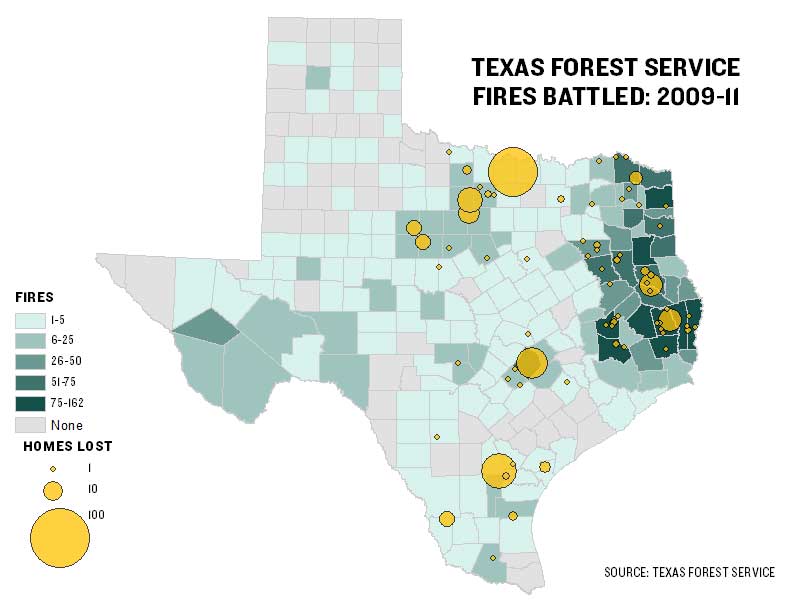
Mr. Mark Stanford – “Overview of 2011 Fire Season”
Fire seasons are amplified for several reasons. (1) Drought cycles occur every 25 to 30 years. (2) The population growth in Texas has more than doubled with our suburbs reaching past most city limits placing most populated areas on the out-skirts of town. Most fires begin 2 miles out of a town. (3) The changes in our land use and resulting build-up of vegetation have increased our vulnerability to fire.
Mr. Don Hannemann – “Overview of the EOC and the Tools/Technology We Use”
The EOC is responsible for emergency management and has been called in to coordinate the efforts of fires – the shuttle disaster – and hurricane disasters. They are the ones to analyze info – predict – lead – and inform our Governor’s office and other local and county governments. Because of their analysis and research – they are able to put together predictive information for “fuel dryness” and fire danger. As part of that analysis they put together “Texas Firestorm” – an introduction to the Southern Plains Wildfire Outbreak. When these conditions exist – you will not stop this fire.
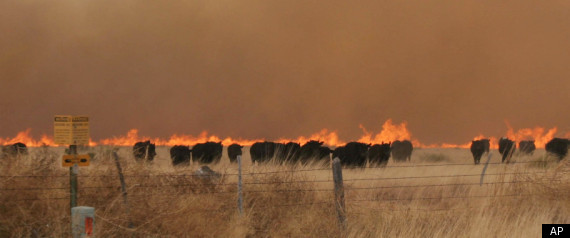 They currently have 400 employees, but during 2011 they were coordinating the efforts of 16,000 fire fighters, pilots, heavy equipment operators, and office personnel. Because of their technology, they can log in to transponders on aircraft tankers and other equipment so they know where they are – and so they can have the ability to dispatch them as needed.
Their day begins with a briefing on weather – wind – humidity – lightening. They use Google maps, satellite and radar imagery to construct the fire potential. It is especially difficult to coordinate out-of-state firefighters who are not familiar with our customs and procedures. This became evident in last year’s fires. The State of Texas is a private land state – unlike many Western states that hold a great deal of federal land. The firefighters would march onto people’s private property or ranches tearing through fences and saying to some rancher “it’s just grass”. The EOC quickly formed a partnership with The Texas Southwestern Cattle Raisers and their Special Rangers to “handle the ranchers” while the EOC had to “educate” the out-of-state firefighters. And all of this had to happen very quickly before some rancher was headed for his shotgun.

The extreme drought started in Mid-November 2010 culminating in the 2011 fire disasters. There was 35,000 fires state wide – 4 million acres burned. One of the most notable fires was the Bastrop fire which burned 32,400 acres – destroying 1660 homes. Because of the EOC readiness and training – they evacuated 5000 people in 2 hours 30 minutes – minimizing death loss.
Mr. Curt Stripling – “TxWRAP (Texas Wildfire Risk Assessment Portal)”
TxWrap interfaces with the public. They initiate the risk assessments – the possibility of harm. They assess (1) probability – the conditions (2) potential (3) values – homes, trees, etc. They assess the short and long term risks. They are the ones who actually give the information to the County Judges and Commissioners to make the decisions for fire bans.
THE TAKE-AWAY FROM THE TEXAS FOREST SERVICE
It is up to us as individuals and collectively to conserve and protect our natural resources. We are called to lead – not to just discuss a problem – but to analyze and be ready to take action. It takes team work – leveraging partnerships to make things happen. We must be able to gather information – make a decision – and act. Leadership is bringing order out of chaos. Above all we must have a servant’s heart.
Dr. Susan Quiring – “Etiquette Training and Meal”
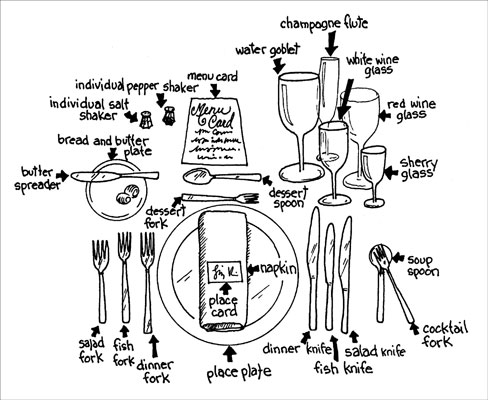 We enjoyed a lovely meal – dining tips – and insight to appropriate conversation skills. It is most important to be reminded that our first impressions are lasting ones and that deals can be made or broken over dining experiences. This information affects all of our businesses and families. We must listen to others – converse with all – not monopolize conversations – build lasting relationships. The way we handle ourselves is a reflection of our business – our organization – our families.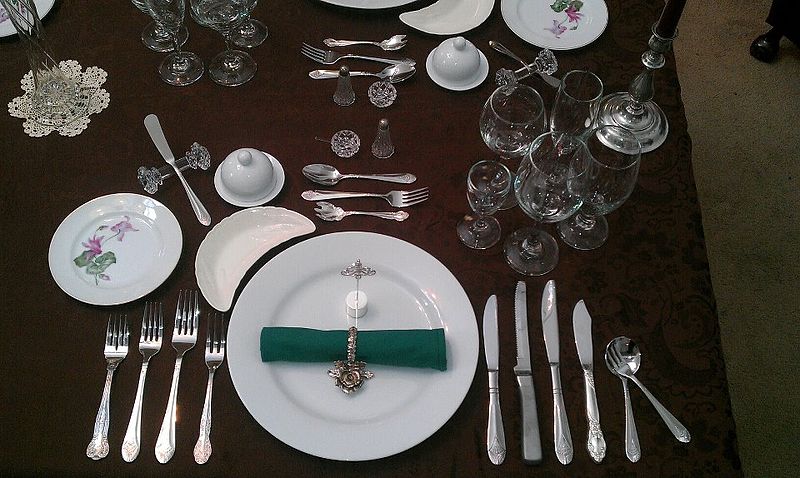
great blog! I was the one who took the photo and I’m so glad you handed me your card! You seem like a pretty fabulous lady!
Hello Linda,
Your blog is great. I was in TALL II, so long ago! Enjoy your time in TALL. I count it as one of my best life experiences. I was the one that suggested the “etiquette” training. It is gratifying to know the program still includes that session. I’m not sure I could navigate the place setting you picture! Hoping I will keep up with your blog. Good Luck. JT
Hey there! Awesome job! Your narratives are right on target and really a great “pump” for TALL. Great job & I enjoyed the read!
Sally